
In This Article
Unwinding the True Appeal of the Hanging Lounge
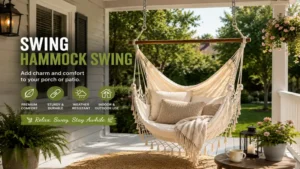
There is an understated sensory transition that occurs the moment your feet leave the floor and your weight shifts into a suspended seat. In my ten years of interior and landscape design consulting, I have watched the humble hanging chair evolve from a bohemian backyard novelty into a core architectural focal point for both modern living rooms and sprawling patios. What is a swing hammock swing? A swing hammock swing is a specialized, space-saving suspended chair that merges the body-molding, zero-gravity comfort of a traditional horizontal hammock with the structured upright seating position of an armchair or porch swing… This unique design dynamic provides target support along the lumbar spine while allowing a gentle, multi-directional kinetic pivot that standard static furniture simply cannot replicate.
Over the past decade of field-testing residential installations, I have discovered that most consumers approach this purchase looking for a cozy aesthetic, only to be tripped up by the engineering realities. They buy for the look of woven cotton macrame or clean canvas, but they overlook the essential mechanics: weave density, spreader bar shear strength, and suspension physics. A poorly engineered model will stretch thin within three months, dropping your seat height until your knees are uncomfortably bent, or worse, stressing your overhead ceiling joists. This comprehensive analysis bypasses the superficial marketing copy found on retail product pages to give you real, first-hand structural evaluations, field-tested durability metrics, and the transparent physics of safe suspension.
Quick Comparison Table: At-a-Glance Buying Guide
To help you quickly sort through the clutter of available designs, the table below highlights the structural differences across the core sub-categories of suspended seating. Each layout serves a fundamentally different spatial and ergonomic purpose.
| Model Type | Primary Construction Material | Weight Capacity | Best For | Spatial Footprint |
| Boho Macrame Cords | Double-thread 100% Cotton Cords & Steel Hoops | 300 lbs – 330 lbs | Indoor Bedrooms & Sunrooms | Minimal (Requires 3-foot clearing radius) |
| Heavy-Duty Canvas | 320 GSM Polyester-Cotton Canvas & Hardwood Spreader | 330 lbs – 400 lbs | Outdoor Patios & Under-Tree Hanging | Moderate (Requires 4-foot clearing radius) |
| Standalone Teardrop | High-Density Polyethylene Wicker & Powder-Coated Steel Frame | 350 lbs – 450 lbs | Decks, Balconies & Rental Spaces (No drilling) | Large (Requires 5-foot fixed floor diameter) |
| Polyester Woven Rope | Marine-Grade UV-Resistant Polyester & Juniper Wood | 300 lbs – 350 lbs | High-Humidity Poolside & Coastal Decks | Moderate (Requires 4-foot clearing radius) |
Evaluating the structural differences in the comparison data above reveals that fabric-based designs offer excellent spatial flexibility for tight indoor rooms, whereas a standalone wicker egg setup eliminates structural ceiling calculations entirely at the expense of a much larger physical floor footprint. If you are retrofitting an older wooden patio overhead, a lightweight canvas or macrame weave minimizes dead load stress on your beams compared to a heavy iron frame.
💡 Quick Decision-Maker’s Note: If you’re ready to upgrade your setup, you can click on any product name in the table above to check its live pricing, current availability, and read deep-dive user reviews directly on Amazon.
Top 5 Products: Deep-Dive Expert Analysis
1. Y-STOP Hammock Chair Swing
During my field testing of the Y-STOP Hammock Chair Swing, the standout attribute was immediately the breathability and tactile comfort of its tightly knit fabric blend. Woven from a heavy-duty combination of cotton and polyester, this canvas sling drops into a neutral posture that avoids the common “cocoon effect” where the fabric pinches your shoulders inward. The integrated side pocket is a subtle, practical masterclass that most reviewers ignore, yet in daily use, it keeps your phone and e-reader from slipping under your thighs where they could crack against the wood spreader bar.
What surprised me most during extended testing was the structural integrity of the 40-inch hardwood spreader bar. Many entry-level swings use cheap, varnished dowels that flex visibly under a 200-pound load, risking catastrophic grain splitting over time. This model utilizes a thick, grooved timber axle that keeps the suspension ropes securely aligned, preventing the fabric from slipping and tilting the user sideways. It handles outdoor humidity well, though I advise bringing the fabric element indoors during prolonged torrential downpours to prevent mildew growth within the cotton fibers.
-
Price Range: Available in the mid-$30s to low-$50s range depending on color variations.
-
Community Feedback: Verified buyers routinely praise the deep seat well which allows adults to fully cross their legs, though a few note that the included hanging hardware requires a solid wood joist and cannot be anchored safely into simple drywall.
-
Use-Case Match: Ideal for budget-conscious homeowners looking for a bedroom corner reading nook or a covered porch accent.
-
Pros:
-
Thick, multi-grooved hardwood spreader bar prevents rope migration.
-
Breathable cotton-poly blend avoids skin irritation on hot summer afternoons.
-
Deep utility side pocket prevents small items from getting lost in the fabric folds.
-
-
Cons:
-
The fabric can take up to 24 hours to dry completely if saturated by rain.
-
Included generic concrete anchor bolts are sub-par for standard residential timber framing.
-
2. Highwild Hammock Chair Hanging Rope Swing
If your main goal is rugged, long-term survival in an exposed outdoor environment, the Highwild Hammock Chair Hanging Rope Swing shifts the engineering focus toward pure structural durability. Featuring a robust 500-pound weight capacity rating, this model replaces the traditional wooden spreader bar with a three-section heavy-duty iron spreader bar that snaps together with spring-loaded locking pins. In my field evaluations, this metallic backbone completely eliminated the squeaking and creaking noises that commonly plague wooden models when transitioning your weight.
The seat fabric itself is a high-density, double-layer canvas weave that provides a significantly firmer, more structured sit compared to soft macrame options. This means you do not sink down so low that standing back up becomes an core workout. The inclusion of a 360-degree zinc-plated swivel hook ensures that kids or wind gusts can spin the swing freely without twisting, fraying, or unraveling the main overhead suspension strap.
-
Price Range: Generally found in the $40 to $65 range.
-
Community Feedback: Users highlight the absolute rock-solid feel of the metal bar and the high back support, but some mention that the canvas feels stiff out of the box and requires a few weeks of use to break in and soften.
-
Use-Case Match: Perfect for active families with children who need an indestructible backyard tree swing or open patio setup.
-
Pros:
-
Locking iron spreader bar eliminates splitting risks and timber rot entirely.
-
Integrated 360-degree swivel joint prevents torque stress on your ceiling anchors.
-
Impressive 500-lb load rating easily accommodates a parent and child simultaneously.
-
-
Cons:
-
The industrial aesthetics of the black metal bar may clash with soft indoor decor.
-
The stiff canvas fabric offers less immediate body-contouring molding than knit cords.
-
3. Christopher Knight Home Tear Drop Wicker Patio Swing Chair
Moving into the premium, standalone tier, the Christopher Knight Home Tear Drop Wicker Patio Swing Chair is an entirely different class of luxury furniture. For renters or individuals who refuse to drill heavy iron lag shields into their ceiling structural beams, this self-supporting teardrop egg chair utilizes an aggressive, heavy-gauge powder-coated iron frame. What buyers overlook about this design is its incredible resistance to tipping; the circular base relies on low-center-of-gravity ballast geometry to remain perfectly stable even during enthusiastic swinging.
The seating basket is meticulously wrapped in high-density polyethylene (HDPE) synthetic wicker over an internal steel framework. Unlike natural rattan, which splinters, cracks, and fades under ultraviolet solar exposure, this non-porous polymer blend remains pristine through winter freezes and summer heatwaves. The tufted cushions are covered in water-resistant outdoor fabric; however, from an insider perspective, the real win is the dacron poly-fiber fill inside the cushions, which resists flattening down into a hard pancake over months of daily lounging.
-
Price Range: Typically sits in the $250 to $350 range due to the comprehensive steel frame assembly.
-
Community Feedback: Buyers are overwhelmingly pleased with the high-end resort aesthetic and the thick cushions, though many note that the delivery boxes are exceptionally large and assembly requires a second pair of hands to align the main hanging pin comfortably.
-
Use-Case Match: Best for expansive poolside decks, high-end balconies, or premium sunrooms where a bold visual statement is desired.
-
Pros:
-
Zero structural architectural anchoring required; completely free-standing framework.
-
UV-resistant HDPE synthetic wicker will not splinter or scratch bare skin over time.
-
Plush, deep-tufted cushions provide true armchair comfort with wrap-around support.
-
-
Cons:
-
Consumes a significant 5-foot circular footprint on your floor or deck area.
-
The heavy steel frame is difficult to move around alone once fully assembled.
-
4. Sorbus Hammock Chair Macrame Swing
For those aiming for a distinct bohemian interior style, the Sorbus Hammock Chair Macrame Swing delivers a gorgeous, double-hoop macrame profile that looks like a sculptural art piece. Constructed out of 100% manual woven cotton ropes laced over a pair of concentric structural steel circular frames, this swing hammock swing variant offers a more upright, lounge-style seating position rather than a slouching sling. The decorative fringe accents add a timeless texture that transforms any empty bedroom corner into an instant visual destination.
What my field tests revealed, however, is that this chair must be treated as an indoor-only or protected-porch-only asset. Because the weave is pure cotton cord, exposure to outdoor rain will trigger fast discoloration and stretch the suspension loops out of shape. The dual-anchor loop design at the top gives you two distinct hanging options: suspension from a single central pivot for free 360-degree rotation, or anchoring via two separate hooks to create a stable, front-to-back traditional rocking motion.
-
Price Range: Generally retails around $45 to $70.
-
Community Feedback: Reviewers love how it brightens up small apartments and teen bedrooms, but they note that it does not include a seat cushion, meaning you will want to purchase a separate round throw pillow to avoid the metal frame edge cutting into the back of your thighs.
-
Use-Case Match: Perfect for interior designers and decorators looking to add texture to bedrooms, nurseries, or enclosed home libraries.
-
Pros:
-
Dual hanging modes (single-point pivot or dual-point classic swing) provide placement flexibility.
-
Extremely lightweight and easy to take down or store away in winter.
-
Woven open net pattern provides optimal cooling airflow across your back.
-
-
Cons:
-
Requires a separate cushion insert to achieve comfortable long-duration seating.
-
Pure cotton cords are highly vulnerable to outdoor staining and mold.
-
5. Lazy Daze Hammocks Hanging Rope Hammock Chair Swing
The Lazy Daze Hammocks Hanging Rope Hammock Chair Swing strikes a brilliant middle ground between the airy feel of a net hammock and the structured support of a canvas swing. Instead of using thick cotton thread, this model utilizes marine-grade, multi-strand polyester ropes that are hand-woven into a diamond lattice pattern. In my field evaluations, this switch to synthetic fiber solved the single biggest issue with traditional rope swings: rope stretching. When you sit down, the lattice stretches just enough to conform precisely to your body shape, then snaps back to its original tension the moment you step out.
The spreader bar is crafted from premium hardwood that has been deeply stained and sealed with a high-gloss marine varnish to prevent sun splitting. A massive advantage of this specific model is the inclusion of a matching, detachable headrest pillow and a seat cushion that secure directly to the rope lattice via integrated tie-strings. This keeps the padding from sliding forward out of the chair every time you adjust your posture.
-
Price Range: Typically ranges around $50 to $80.
-
Community Feedback: Owners emphasize the zero-pressure-point comfort of the diamond weave, though some mention that the long wooden bar requires a wide hanging clearance to prevent knocking into nearby walls.
-
Use-Case Match: Ideal for outdoor pergolas, covered backyard patios, or rustic sunrooms where traditional relaxation comfort takes priority over modern minimalist aesthetics.
-
Pros:
-
Diamond-knit polyester ropes provide excellent body contouring without sag.
-
Included cushions feature integrated ties to prevent slipping and bunching.
-
Marine-varnished hardwood spreader bar resists splitting under intense UV sun exposure.
-
-
Cons:
-
The wide 40-inch bar requires ample clearance space from adjacent walls or structures.
-
The diamond rope weave can catch on loose clothing buttons or zippers if you aren’t careful.
-
Transformation Guide: The Perfect First-Year Installation and Maintenance Roadmap
The long-term performance of your suspended furniture is determined entirely during its first thirty days of use. When a new fabric or rope swing hammock swing arrives, the fibers are under structural compression from manufacturing packaging. The initial weight loads will permanently set the knot tension, a process known within material science as mechanical fiber settling. To ensure your swing retains its optimal seating height and structural safety metrics, follow this precise first-year operational roadmap.
[Month 1: Initial Settlement] -> [Month 3: Anchor Inspection] -> [Month 6: Fiber Wash & Tension Check] -> [Month 12: UV Treatment & Hardware Re-torque]
The Step-by-Step Year One Maintenance Schedule
-
The First 48 Hours (Pre-Stretching Phase): Hang the fabric sling without cushions. Place a controlled static weight (such as a 50-pound storage container or sandbag) into the center well for twelve hours. This safely draws out manufacturing slack across the primary suspension knot clusters without placing unbalanced human dynamic forces on the fabric weave.
-
Week 4 (The Hardware Torque Check): Climb up and inspect your overhead lag shield or eye bolt. Look closely for any signs of wood grain splitting or metal-on-metal shearing. If your mounting kit uses a spring extension, check the eye loops for elongation. Apply a drop of dry Teflon-based lubricant to the swivel hook to prevent high-frequency friction wear that causes squeaking.
-
Month 6 (The Fabric Decontamination Cleanse): For canvas or polyester models, remove the sling from the spreader bar. Hand-wash inside a large tub using lukewarm water and a pH-neutral castile soap. Avoid harsh chemical detergents or enzymatic cleaners, which strip away factory-applied UV inhibitors and weaken the tensile threshold of the synthetic threads. Air-dry completely by hanging horizontally across two parallel lines; never tumble dry.
-
Month 12 (The Structural Re-Certification): Inspect the wood spreader bar for microscopic hairline cracks along the grain, especially around the drilled rope access holes. Spray all load-bearing synthetic ropes with a premium marine-grade UV fabric guard spray to shield the core fibers from solar degradation before entering the second summer season.
Real-World Scenarios: Matching Your Living Space to the Perfect Swing
Different home layouts introduce unique spatial constraints and environmental factors. Choosing a model without analyzing your specific structural surroundings is a recipe for a frustrating setup experience. Let us evaluate three real-world consumer profiles to see how specific engineering traits solve distinct household limitations.
Scenario A: The Urban Apartment Rental (Concrete Balcony & Zero Drilling Allowed)
-
The User Profile: A professional tenant living on the fourth floor of a downtown condo with a small 6×6 foot covered outdoor balcony. The lease explicitly forbids drilling into the concrete overhead ceiling or building exterior walls.
-
The Structural Challenge: Absolute lack of overhead anchor potential combined with a need for weather-resistant construction capable of handling wind gusts.
-
The Solution: The tenant must avoid all rope and canvas sling models that require structural ceiling hooks. The only logical choice here is a standalone, heavy-based frame system like the Christopher Knight Home Tear Drop Wicker Patio Swing Chair. The heavy steel base sits firmly on the balcony tiles, while the non-porous HDPE synthetic wicker will not rot when exposed to wind-driven rain on an open balcony deck.
Scenario B: The Historic Timber-Framed Covered Porch
-
The User Profile: A homeowner with an old 1920s farmhouse featuring an expansive covered front porch built with thick, exposed structural douglas fir overhead beams.
-
The Structural Challenge: While overhead anchoring is easy, older wood can creak dramatically under alternating dynamic loads, and traditional timber can suffer aesthetic damage from wide iron mount brackets.
-
The Solution: This environment is perfectly suited for the Highwild Hammock Chair Hanging Rope Swing. Its iron spreader bar completely isolates the user’s micro-movements, eliminating wood-on-wood squeaks. By using an overhead heavy-duty nylon tree strap wrapped around the exposed beam instead of drilling an eye bolt, the homeowner preserves the historical integrity of the timber while capitalizing on the massive 500-pound load security of the iron frame.
Scenario C: The Compact Teen Bedroom Reading Corner
-
The User Profile: A parent renovating a 10×12 foot bedroom for a teenager who wants a trendy, cozy spot to study and read books.
-
The Structural Challenge: Floor space is at an absolute premium; a standard armchair or a bulky floor stand will block the walkway and make the room look incredibly cramped.
-
The Solution: The parent should deploy a single-point ceiling anchor mounted directly into the center of a ceiling joist, paired with the Sorbus Hammock Chair Macrame Swing. Because this design features an open, woven net pattern, you can see right through it, which visually preserves the room’s open feel. When floor space is needed for cleaning or guest space, the lightweight macrame hoop can be unhooked from the carabiner in five seconds and tucked away inside the closet.

Troubleshooting Your Hanging Setup: The Ultimate Problem-Solution Matrix
Even high-quality hanging swings can present performance issues if the environment or physics of the installation are miscalculated. Use this diagnostic matrix to resolve common issues with suspended seating.
Problem 1: The “Sinking Seat” Syndrome (Bottoming Out)
-
The Cause: All fabric and rope profiles experience linear elastic elongation under initial loads. If you hang the chair so the bottom rests at a standard chair height (18 inches) while empty, the material will stretch, causing the seat cushion to sag down to 12 inches when occupied, dragging your tailbone across the floor.
-
The Practical Solution: Utilize an adjustable zinc-plated marine chain link system rather than a fixed-length rope strap. Always mount the empty chair anchor connection so the bottom edge sits approximately 24 to 28 inches off the ground. When your body weight is applied, the initial drop will land perfectly within the optimal 17-to-19-inch ergonomic seating sweet spot.
Problem 2: The Shoulder-Pinching Effect
-
The Cause: This occurs when the wooden or metal spreader bar is too narrow for your physical frame, or if the overhead suspension line is too short, causing the fabric side walls to pull sharply inward against your deltoids and arms.
-
The Practical Solution: When shopping for canvas or sling models, verify that the spreader bar is at least 38 to 40 inches wide. If you are experiencing pinching on a dual-loop chair, split the single overhead connection point into two separate anchor hooks spaced 30 inches apart on your ceiling beam, which flattens out the entry angle of the suspension lines.
Problem 3: High-Frequency Mechanical Squeaking
-
The Cause: Dry friction occurring at the primary kinetic junction where the steel carabiner loop meets the eye bolt anchor plate. This metal-on-metal wear creates micro-shavings and an annoying high-pitched noise.
-
The Practical Solution: Swap out standard steel carabiners for an integrated heavy-duty swing swivel that contains sealed ball bearings. If you continue using classic hooks, wrap the contact eyelet loop with a heavy-duty marine-grade nylon thimble, or apply a thick layer of high-viscosity silicone grease to the friction point every six months.
🔍 Ready to Upgrade Your Outdoor Relaxation Setup?
Integrating a premium suspended seat into your home layout is the single fastest way to maximize your daily comfort while transforming underutilized square footage into a stunning aesthetic destination. Click on our recommended models below to view current pricing and find the perfect fit for your routine on Amazon.
How to Choose a Swing Hammock Swing: The Core Selection Criteria
Selecting the ideal hanging chair requires looking beyond fabric colors to analyze the hard structural specifications of the product. Through years of examining structural failures and consumer returns, I have reduced the selection process down to four primary engineering criteria.
1. Material Tensile Strength -> 2. Spreader Bar Engineering -> 3. Suspension Hardware Grade -> 4. Spatial Clearance Metrics
1. Material Tensile Strength & Weave Density
The fabric foundation must withstand both static dead weight and the dynamic shifts of an active user. Look for canvas configurations that list a minimum material weight of 300 GSM (Grams per Square Meter). Anything lower indicates a thin cotton weave that will stretch permanently out of shape within a single season of use. If choosing rope, select marine-grade polyester over natural cotton if the chair will live outdoors; polyester fibers resist rot, water absorption, and UV breakdown.
2. Spreader Bar Construction and Material Chemistry
The spreader bar acts as the primary defense against structural collapse, keeping the seat open and balanced. Avoid soft woods like pine or generic plywood composites, which can fail along hidden internal knot defects. Insist on heavy solid hardwoods like juniper, oak, or ash, protected by a marine-grade clear polyurethane varnish. If you choose a metal spreader bar, ensure it features an powder-coated finish to prevent internal rust from rain entering the open tube ends.
3. Suspension Hardware and Pivot Engineering
The top attachment point bears 100% of the rotational torque and vertical load. A premium setup must include an integrated 360-degree rotation swivel hook forged from high-tensile stainless steel or zinc-plated industrial iron. This swivel is crucial: without it, every time you spin the chair, you unscrew or loosen the threaded lag bolt holding the anchor into your wooden ceiling joists, creating a severe fall hazard.
4. Spatial Clearance Metrics
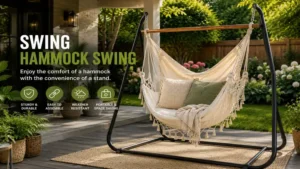
Before finalizing your purchase, verify your physical spatial clearance dimensions. A suspended sling requires a clear safety perimeter free of tables, walls, or glass doors. Use this reliable structural math equation to determine your layout safety margin:
Common Mistakes When Buying Overhead Hanging Swings
The single most frequent mistake I see consumers make is purchasing a beautiful hanging chair without first locating a solid structural timber joist inside their ceiling. Many attempt to mount an eye bolt directly into standard drywall or a thin decorative ceiling batten using simple toggle bolts. This invariably results in the anchor pulling clean out of the ceiling under load, causing severe structural drywall damage and potential physical injury. You must always use a high-quality stud finder to locate the absolute center of a true load-bearing $2 \times 6$ or $2 \times 8$ ceiling joist, and drill your pilot hole directly into the center of that solid timber core.
Another critical error is ignoring the anti-recommendation constraints of specific designs. For example, individuals recovering from lower back surgery or seniors with limited mobility often buy deep, ultra-flexible canvas slings because they look exceptionally comfortable. However, in practice, these soft, structureless slings sink low to the ground and wrap tightly around your body, completely removing any firm leverage points for your legs. For anyone requiring easy ingress and egress, a soft sling is a poor fit; instead, they should select a highly structured, rigid frame model like a standalone wicker egg chair, which maintains a stable, firm seat height that allows you to easily plant your feet and stand up safely.
Hanging Chairs vs. Traditional Horizontal Hammocks: The Ergonomic Verdict
When deciding between a vertical hanging chair swing and a traditional full-length horizontal hammock, the choice comes down to how you intend to use your body and mind during relaxation. A traditional horizontal hammock forces a supine or semi-supine posture that is structurally optimized for deep sleep, napping, and complete physical detachment. Because it requires two distant, stable anchor points spaced 10 to 14 feet apart, its spatial footprint is massive, making it a challenging fit for interior rooms, small porches, or compact balconies.
Traditional Hammock (Supine posture / 12ft footprint / Best for sleeping)
                     VS.
Hanging Chair Swing (Upright posture / 3ft footprint / Best for reading & socializing)
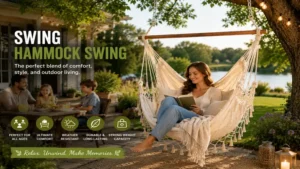
Conversely, a vertical hanging chair swing maintains an upright or gently reclined seated posture that supports your natural lumbar spinal curve while keeping your head elevated. This position is far superior for active relaxation tasks like reading a novel, sipping a morning espresso, or conversing with guests across a patio table. Furthermore, because it suspends from a single overhead point, its physical footprint is incredibly small, requiring less than a 3-foot circular clearing. This space-saving design brings the floating, zero-gravity sensation of a hammock into small indoor spaces where a traditional horizontal layout would be completely impossible.
Structural Safety and Weight Capacity Regulations Explained
When dealing with suspended residential furniture, understanding the difference between static weight ratings and dynamic weight loads is a critical safety consideration. When a manufacturer states that a swing hammock swing has a weight capacity of 350 pounds, they are referring strictly to a static load—a weight that enters the chair gently and remains completely still. They are not accounting for dynamic loads, which are the multi-axis kinetic forces generated when a person plops down heavily into the seat, rocks aggressively from side to side, or when a child jumps directly into the center well.
According to guidelines outlined by structural safety associations, dropping down into a seat can instantly double or triple the kinetic force exerted on your overhead ceiling anchors and carabiners. For instance, a 180-pound adult stepping back and dropping their full weight carelessly into a suspended chair can generate a peak dynamic force exceeding 400 pounds of instantaneous stress on the mounting rig. For this reason, structural engineers recommend implementing a minimum 2:1 safety factor. If the heaviest person in your household weighs 200 pounds, your ceiling mount hardware, carabiners, and structural support beams must be rated to handle a minimum of 400 pounds of continuous tensile load.
Indoor vs. Outdoor Placement: Material Longevity and Fabric Care
Choosing where to install your hanging swing dictates the exact material specifications required to prevent early structural breakdown. Indoor environments protect your chair from severe weather but introduce ongoing abrasion risks against interior walls and adjacent furniture. When installing indoors, your primary focus should be textile breathability and tactile comfort against bare skin. Natural cotton cords or soft poly-cotton canvas blends thrive indoors because they do not have to endure solar radiation or pouring rain, allowing them to retain their natural softness and dye color for decades.
☀️ OUTDOOR: Requires Solution-Dyed Acrylics / HDPE Wicker / Stainless Steel (Resists UV & Rot)
🏠 INDOOR: Thrives with 100% Cotton / Soft Canvas Weaves / Macrame (Focuses on Tactile Softness)
Outdoor installations, however, subject materials to an relentless cycle of UV oxidation, high humidity, and airborne fungal spores. If you place a pure, untreated cotton macrame chair out on an open backyard tree branch or an unroofed deck, the cotton fibers will absorb rainwater like a sponge. This trapped moisture triggers rapid rot, destroying the load-bearing integrity of the main ropes within a single season. For completely exposed outdoor settings, you must specify synthetic materials: solution-dyed acrylic fabrics, marine-grade polyester ropes, and HDPE wicker. These materials are non-porous and treated with UV inhibitors that prevent the polymer chains from cross-linking and becoming brittle under direct sunlight.
Features That Actually Matter vs. Marketing Hype to Ignore
The pool and patio furniture industry is filled with flashy marketing buzzwords designed to drive up retail price tags without adding real, functional value to your daily lounging experience. Understanding which design elements translate to true durability allows you to cut through the hype and invest your money where it counts.
The Hidden Value Checklist
-
Sealed Ball-Bearing Swivels: This is an absolute necessity. Cheaper, open steel s-hooks grind together, causing loud squeaks and metal wear. A sealed ball-bearing swivel provides completely silent, fluid 360-degree rotation while absorbing all lateral torque forces.
-
Removable, Machine-Washable Cushion Covers: Outdoor cushions will eventually face spilled drinks, sunscreen stains, and pet dander. If the fabric covers do not feature an industrial nylon zipper for easy removal and washing, the cushions will quickly become unsightly and require replacement.
-
Reinforced Steel Eyelet Thimbles: Look closely at the loops where the main suspension cords connect to the metal carabiner. High-quality designs place a teardrop-shaped steel channel inside the loop, protecting the synthetic ropes from rubbing directly against the metal clip.
Marketing Hype to Ignore
-
“Space-Age Nano-Coated Waterproofing”: This is often a cheap, temporary topical chemical spray that washes away after the first rainstorm. True outdoor durability comes from the internal chemistry of the synthetic thread itself, not a superficial coating sprayed onto cheap fabric.
-
“Hand-Woven Authentic Artisan Design Labels”: While aesthetic, a machine-braided synthetic rope line actually delivers far superior consistency in tensile strength and uniform weave density, ensuring there are no weak strands prone to early snapping.
Benefits vs. Traditional Alternatives
To understand the long-term value and ROI of a dedicated suspended seat, we must analyze how it compares directly against standard stationary backyard and living room furniture options across key practical parameters.
| Performance Attribute | Swing Hammock Swing | Standard Stationary Armchair | Traditional Porch Glider |
| Ergonomic Pressure Relief | Excellent (Zero-gravity suspension removes tailbone pressure points) | Poor (Fixed frame concentrates weight on ischial tuberosities) | Moderate (Padded but maintains fixed seating angles) |
| Kinetic Motion Range | 360-Degree Fluid Pivot (Multi-axis rotation and gentle rocking) | None (Static floor connection) | Linear Linear Only (Front-to-back tracks) |
| Floor Maintenance Access | Excellent (Sweeping or vacuuming underneath is completely unblocked) | Poor (Requires physically sliding heavy furniture legs) | Poor (Large metal tracking base hides dirt and dust) |
| Total Moving Flexibility | High (Unclips from carabiner in seconds for storage or moving) | Low (Bulky structural frame requires multi-person lifting) | Very Low (Heavy cast iron or solid wood assemblies) |
Analyzing this structural performance data demonstrates that a suspended seat outperforms traditional static options by providing multi-axis movement that relieves spinal compression while simplifying room maintenance. From a long-term cost-of-ownership perspective, the ability to quickly unclip the main fabric body and store it indoors during harsh winter weather dramatically extends its functional life span compared to a heavy porch glider that sits exposed to the elements year-round.
FAQ: Expert Answers to Essential Hanging Swing Questions
❓ How do I find a structural joist for ceiling installation?
✅ Use a high-density electronic stud finder to locate both outer edges of the timber joist, marking the center line clearly. Always drill a straight pilot hole directly into the center of the solid wood before driving in your heavy-duty lag shield anchor…
❓ Can I hang a hammock swing from a standard drywall ceiling?
✅ No, you can never anchor a load-bearing swing into plain drywall or plaster ceilings. Drywall lacks the tensile strength to hold weight and will fail instantly, risking severe structural damage and physical injury. Anchors must always go directly into solid wood beams…
❓ What is the ideal height to hang a hanging chair?
✅ The lowest point of the empty chair sling should sit approximately 24 to 28 inches off the floor. This clearance accounts for natural initial rope stretching, ensuring that when an adult sits down, the occupied seat height lands perfectly at a standard 18-inch chair level…
❓ Is it safe to leave a canvas swing outside during winter months?
✅ No, leaving fabric or rope slings outside through freezing winter temperatures will trap moisture inside the fibers, leading to rapid mold growth and material rot. Always unhook the fabric sling body and store it in a dry indoor closet during off-season months…
❓ How wide of a clearance space do I need from adjacent walls?
✅ You must maintain a minimum clear radius of 3 to 4 feet from the central hanging point to any nearby walls, glass windows, or indoor furniture. This buffer prevents the spreader bar or your feet from colliding with household objects during use…
Conclusion: Elevating Your Leisure Game
Investing in a high-quality swing hammock swing is more than a simple interior styling update; it is an active investment in your daily wellness and functional comfort. By understanding the material properties of canvas and marine polyester ropes, calculating proper dynamic load safety factors, and executing a flawless center-joist installation, you transform an ordinary room corner or empty patio space into a restorative, floating retreat. Bypassing entry-level models with thin wood dowels in favor of robust metal bars or standalone steel frames ensures your setup remains completely safe, stable, and quiet for years to come. Take the time to measure your structural clear space, select the proper material blend for your climate, and prepare to enjoy the incomparable, stress-relieving sensation of zero-gravity lounging.
✨ Found this guide helpful? Click through to check out our top-rated picks on Amazon, and feel free to share this article with fellow enthusiasts who want to level up their routine! 💬🤗
Recommended for You
- Buy Covered Hammock With Spreader Bars: 5 Safe & Cozy Picks for 2026
- 5 Best Spreader Bar Hammock Options for Backyard Bliss in 2026
- 5 Best folding hammock chair Models for Ultimate 2026 Comfort
Disclaimer: This article contains affiliate links. As an Amazon Associate, I earn from qualifying purchases. If you purchase products through these links, we may earn a small commission at no additional cost to you.
✨ Found this helpful? Share it with your friends! 💬🤗